7 Things a Solo Rust Player Needs to Know Before Wiping Against a Zerg
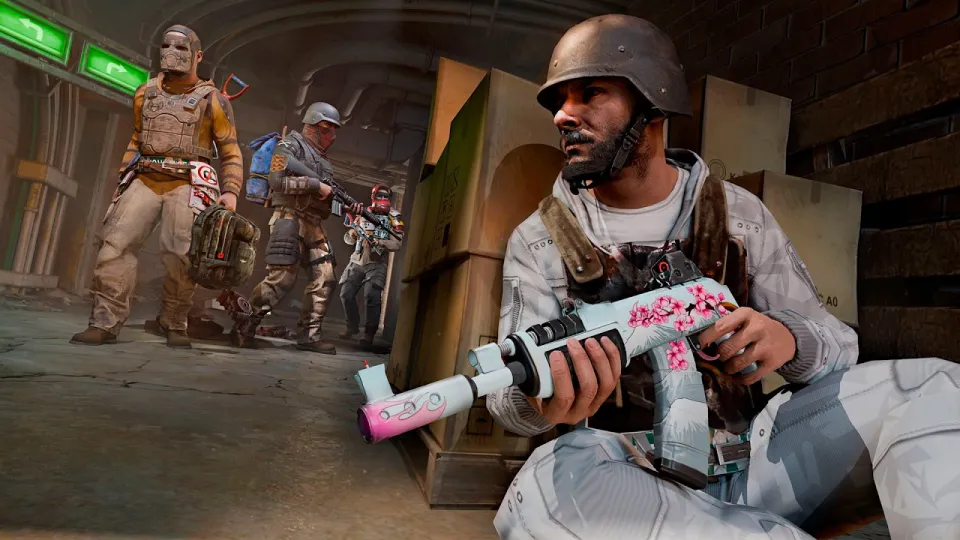
Video: THE SOLO MENACE – Rust
Need articles like this for your video? They help promote it on YouTube and Google — order them in the Telegram bot @sat_sit_bot. The bot writes and publishes the articles itself (with your YouTube video embedded) on popular topical websites (no ads). Your first 50 articles are free.
· based on the channel SPiiCY
Rust is a survival game where a solo player can absolutely hold their own against clans, but only by treating the wipe as a progression problem rather than a fair fight. The winning formula is a compact, cheap-to-rebuild base, a hidden loot core, disciplined PvP timing and revenge raids aimed at whoever hit you while you were offline. A good starting point is the RustEasy bonus and registration page, which the creator of the featured video points viewers to for getting set up faster.
SPiiCY's solo run, published on 24 August 2026 under the title THE SOLO MENACE, is a useful case study because it is built around exactly that problem: one player, group-heavy servers, and a base that has to survive a zerg. The commentary section fills up with the same reaction every time — the solo playstyle is what people came for, and the base design is what they ask about afterwards.
What makes solo Rust different from group play
Solo Rust is not group Rust with fewer people; it is a different economy. A group of four to eight players can farm a full metal base in a single evening because they split sulfur runs, scrap runs and component runs across several characters, while a solo player has to choose one farm at a time and protect it alone.
That changes the maths of every decision:
- Time is the real currency. Every minute spent farming stone is a minute not spent scouting or defending, so solo bases should be small enough to rebuild in one session.
- Loot concentration is risk. A solo player who stores everything in one room loses everything in one raid; spreading loot across a main base and a stash base halves the downside.
- Numbers decide open fights. A 1v3 in an open field is a loss most of the time; a 1v3 in a doorway with a shotgun is a coin flip.
- Information beats gear. Knowing who raided you, where they live and when their core is exposed is worth more than a full kit.
Solo base design that survives a zerg
The single most effective defence for a solo player is a base that is expensive to raid relative to what it holds. Builders in the Rust community converge on the same principles: a small footprint, multiple layers of honeycomb, and a core that forces raiders to spend more sulfur than the loot is worth.
Practical rules that hold up on high-population servers:
- Keep the footprint tight. A 2x2 or 2x1 with two honeycomb layers costs far less to build than a 3x3 and gives raiders fewer predictable splash points.
- Use a bunker or offset loot room. A loot room that requires a specific raiding path — an offset TC, a half-wall bunker, a drop box — turns a cheap raid into an expensive one.
- Build a decoy. A visible, obviously stocked starter base draws the first raid; the real core sits in a second, less attractive structure nearby.
- Never store sulfur in the main base. Sulfur is the raider's ammunition; keeping it in a separate stash means a successful raid does not fund the next one against you.
- Upgrade doors before walls. Sheet-metal doors and garage doors are cheaper per unit of raid cost than stone walls in the early wipe.
Trap bases are the other classic solo answer: shotgun traps, flame turrets and a fake entrance that drops a raider into a sealed room. They do not stop a determined zerg, but they convert careless raids into free loot.
Revenge raiding: how a solo player answers an offline raid
Revenge raiding is the practice of identifying who raided you and taking their base apart in return, and it is the most reliable way for a solo player to recover from an offline. The logic is simple: the group that raided you spent sulfur and explosives, their core is now partially open, and they are usually farming to rebuild — which is the moment they are weakest.
A workable revenge process:
- Log the evidence. Check the raid damage, the direction of the breach and any dropped items; kill logs, tool cupboard access and the pattern of blown walls usually identify the culprit.
- Scout before you strike. Find the base, count the players online, and note whether the core is still exposed from their own raid.
- Time the hit. Strike during their farm hours or right after a wipe-day fight when their kits are depleted.
- Take the core, not the walls. A solo raider should target the loot room and tool cupboard, not attempt a full wipe of a clan base.
- Move your own loot first. Revenge raids invite counter-raids; secure your stash before you commit sulfur.
The satisfaction of a successful revenge raid is why the format dominates solo Rust content — it turns a loss into a story with a payoff.
Typical questions solo players ask about Rust
Three themes come up repeatedly around solo gameplay: whether the playstyle is viable at all on populated servers, how much FPS and hardware matter in PvP, and how to learn base design without copying a clan blueprint.
On viability: solo Rust is harder but not doomed. Servers with a population in the hundreds still have quiet corners, and a solo player who builds away from monuments and roads survives longer than one who contests the same loot spots as groups. On hardware: frame rate matters most in close-range PvP, and creators routinely recommend FPS tools and settings before blaming aim — SPiiCY links Hypertune for exactly that reason. On base design: the answer is usually a tutorial rather than a blueprint, because a design only works if you understand why each layer exists.
Progression priorities for a solo wipe
A solo wipe is won or lost in the first few hours, and the priority order is different from a group's. Groups race to monuments; solos should race to stability.
A sensible order of operations:
- Spawn, farm, and place a starter within the first hour — a 1x1 or 2x1 with a locked tool cupboard and a sleeping bag.
- Secure a Tier 1 bench and a furnace before chasing guns; a crossbow and a bow carry early fights.
- Run low-traffic monuments for scrap rather than contesting launch site or military tunnel with groups.
- Upgrade to sheet metal doors and a bunker core as soon as the starter is stable.
- Start a stash base for sulfur and spare kits before the first raid arrives.
- Only then push for Tier 2 weapons and start hunting players instead of nodes.
Solo progression is slower by design; the goal is not to match a zerg's gear but to reach the point where raiding you costs more than it returns.
All links from the video
- RustEasy bonus and registration
- SPiiCY's Patreon membership for base design tutorials
- Hypertune FPS tool
- Patreon join page
- SPiiCY's Discord
Final thoughts on playing Rust solo
Solo Rust rewards patience and information over raw mechanical skill, and the strongest solo players treat every wipe as a sequence of small, reversible decisions. A cheap base, a hidden core, a stash for sulfur and a well-timed revenge raid will keep a lone player in the game far longer than a lucky kit ever will. SPiiCY's THE SOLO MENACE is a solid demonstration of that mindset in practice, and the channel's breakdowns of base design and raid defence are worth following if you want the details behind the builds. If you are starting a fresh wipe, begin with the RustEasy registration and bonus page and set up your base before the first group finds you.
Key takeaways
- Solo Rust is a progression discipline: stone-and-metal starter bases and hidden loot rooms beat open fights against groups.
- Revenge raiding works best when you log the offline raid, scout the culprits' base and strike while their core is exposed.
- Trap bases and bunker designs are the main force multiplier for a lone player facing a zerg.
- SPiiCY's solo gameplay video THE SOLO MENACE was published on 24 August 2026 and shows a solo run against group-heavy servers.
- RustEasy is promoted in the video as a bonus/registration link, with base design tutorials on SPiiCY's Patreon.
Questions & answers
Is solo Rust actually viable on high-population servers?
Yes, but the playstyle is about survival economics rather than fair fights. A solo player who builds away from monuments, keeps a small base and stashes sulfur separately can stay in a wipe for days even on servers with hundreds of players online. The key is avoiding contests you cannot win and choosing when to fight.
How do I stop a zerg from raiding my solo base?
You cannot stop a determined group, but you can make the raid unprofitable. Use a small footprint with honeycomb layers, a bunker or offset loot room, sheet-metal doors early, and a decoy base that looks more attractive than your real core. Keep sulfur out of the main base so a successful raid does not fund the next one.
What is revenge raiding and how does it work for a solo player?
Revenge raiding means identifying who raided you and hitting their base back while it is still damaged or their players are offline or farming. Check raid damage and kill logs to find the culprit, scout their base and online count, then target the loot room and tool cupboard instead of trying to wipe the whole structure.
Does FPS really matter in Rust PvP, or is it just an excuse?
Frame rate matters most in close-range fights, where stutter costs you the first shot, so creators commonly recommend FPS tools and settings before blaming aim. SPiiCY links Hypertune in the video for this reason, and viewers report significant gains after tuning. Hardware will not fix positioning, but it removes a real handicap.
Source: THE SOLO MENACE – Rust · Markdown version